 CatMind
Hear your cat.
CatMind listens, measures the sound and reads the body language — then tells you what the behaviour may indicate. Insight, never literal translation.
Listening to the recording…
Try itSound model fitted on 440 labelled research recordings from 21 cats · 49% on cats it never heard vs 33% chance
How CatMind works
From a moment to meaning — a measured multimodal pipeline.
- 1
Capture the moment
Record 5–15 seconds of video, an audio clip of a meow, or snap a photo.
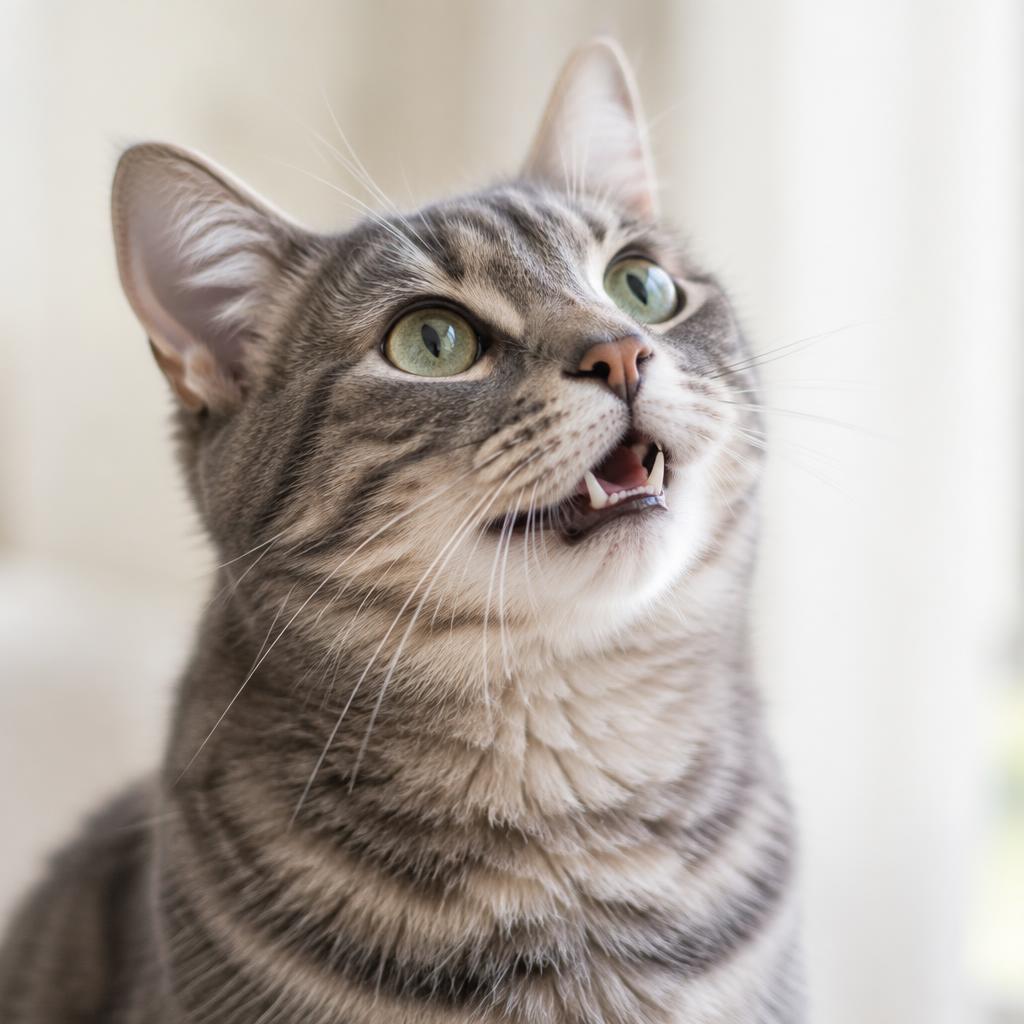 VideoAudioPhoto
 - 2
Acoustic measurement
The waveform is measured in-app: calls, durations, gaps, pitch, brightness, tonality.
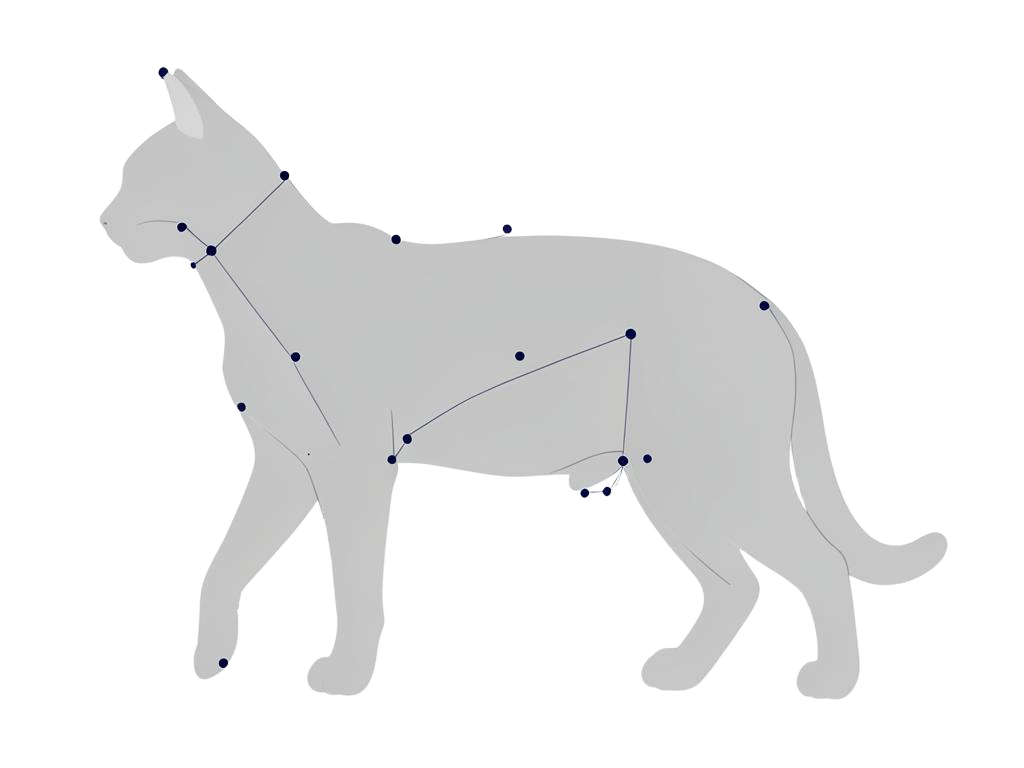
- Pose keypoints
- Audio features
- Motion tracking
Illustrative diagram
- 3
Signal fusion
Measured sound, visible body language and your context are combined into one reading.
p(intent) = softmax(W·x + b)
x = [audio ⊕ visual ⊕ context ⊕ memory]
- 4
Ranked interpretations
A most-likely reading plus alternatives, each with a confidence band you can judge.
- 5
Learns and improves
Your confirmations and corrections build lasting memories unique to your cat.
Patterns become stronger with more interactions.
Real numbers, not guesses
Every figure below is measured. Nothing here is marketing arithmetic.
Dataset coverage
440
labelled research recordings
- Labelled recordings
- 440
- Individual cats
- 21
- Documented contexts
- 3
- Sound types named
- 10
App evaluation clips per context
Full dataset provenance is documented in the research sources registry.
Recording clusters
- Waiting for food
- Being brushed / handled
- Isolated in an unfamiliar place
Each point is a recording's 64-dim feature vector reduced to two components. The visible overlap between groups is exactly why audio-only confidence stays modest — the contexts sound similar, and CatMind says so instead of guessing.
Model performance
49%
context accuracy on cats the model never heard
Curve shape illustrative — the figure above is measured
Real signal, but weak: sound similarity nudges confidence by a few points at most, and audio alone is capped well below video.
- Evaluation clips
- 20
- Vocalisation detected
- 20/20
- Top context correct
- 7/20
- Chance level
- 33%
What is measured
z = (x − μ) / σ
MFCC = DCT(log mel-energy)
64-dim feature vector
score = Σ wᵢ·zᵢ → softmax, capped
- 1Capture: your recording's waveform is read in-app
- 2Measure: the 64 features above are computed deterministically
- 3Rank: interpretations are scored and returned with confidence
How an interpretation matrix is read
Measured in your browser from the waveform itself — deterministic, not guessed.
More than a meow translator
A deeper reading of your cat — measured, ranked and openly uncertain.
Context-aware understanding
Every reading combines what is heard, what is seen and what was happening around your cat — with the signals that led to it listed openly.
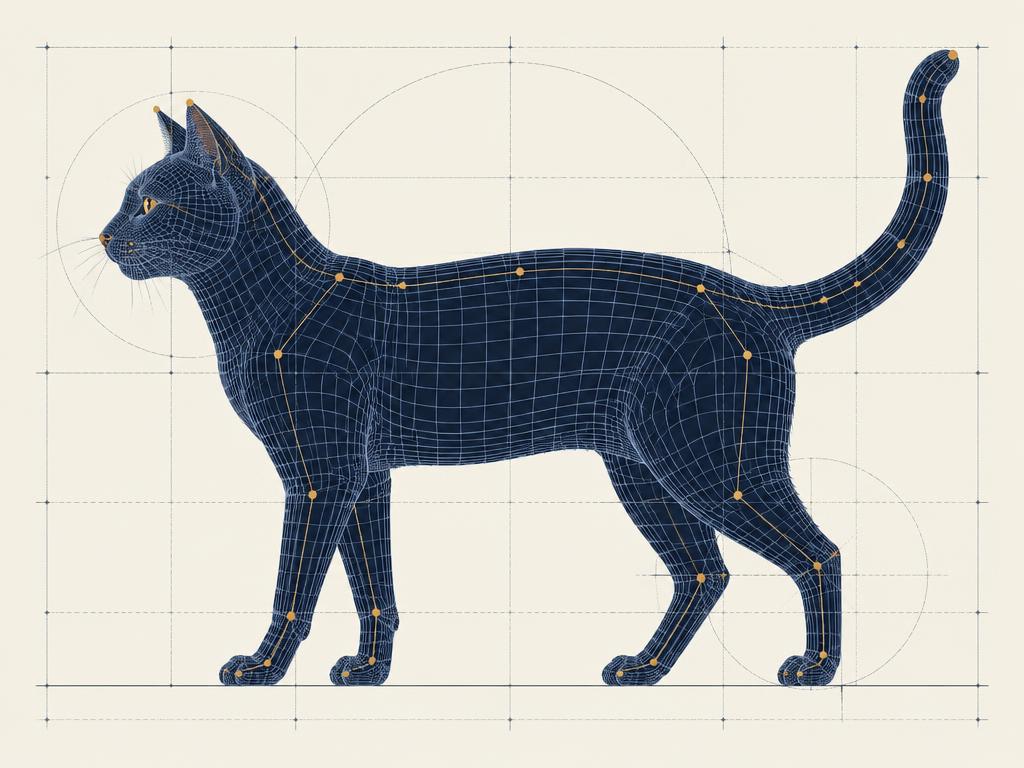
Ten sound categories are named from the measurements — sound types, not translated words.
- Audio
- pitch, duration, tonality, call gaps
- Visual
- posture, ears, tail, movement
- Context
- what was happening around the cat
A profile that grows
Patterns start as candidates, become learned after repeated confirmation, and are marked disputed when your cat proves them wrong.
- Still learning
- Learned · strong
- Disputed
Your confirmations and corrections drive every transition — nothing is learned without your feedback.
Responsible by design
CatMind provides behavioural interpretations, not literal translation or veterinary diagnosis.
- Every accuracy figure on this page is measured.
- No medical claims and no diagnosis.
- Your recordings stay private to your account.
- Confidence is stated, uncertainty is shown.
Free to use
Every feature is free — recordings, analyses, memories and insights. There are no paid plans and nothing to pay.